
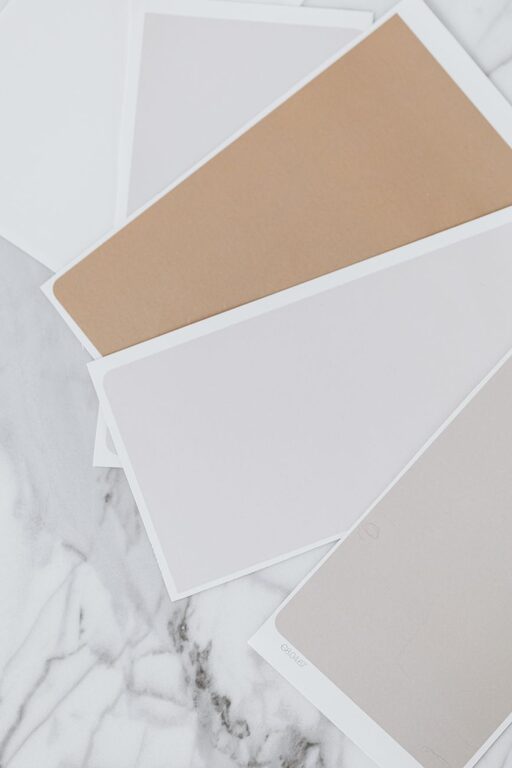
Tips for Choosing Calm Colors for Your Home
Creating a calm and relaxing environment in your home often starts with the colors you choose for your walls, furniture, and accessories. Calm colors can help reduce stress, promote restful sleep, and make your living space more inviting. Whether you’re repainting a room, redecorating, or building your home from scratch, selecting the right color palette is key.
In this post, we’ll explore practical tips for choosing calm colors that suit your style and enhance your home’s atmosphere.
Why Choose Calm Colors?
Calm colors typically include soft, muted tones that have a soothing effect on the mind. These colors help create a sense of balance and tranquility, making your home a peaceful retreat from the busy outside world.
Common calm colors include:
– Soft blues
– Gentle greens
– Warm neutrals
– Pale grays
– Muted lavender or blush
Tips for Choosing Calm Colors for Your Home
1. Consider the Room’s Purpose
Start by thinking about what the room is used for. Different colors can influence mood and energy levels, so it’s important to match your color choices to the room’s function.
– Bedrooms: Soft blues, greens, or warm neutrals can encourage relaxation and better sleep.
– Living rooms: Light grays, gentle greens, or muted blues promote calmness while still feeling welcoming.
– Bathrooms: Pale blues or greens can evoke cleanliness and tranquility.
– Home offices: Neutral tones with a hint of blue or green can support focus without feeling too sterile.
2. Use a Neutral Base
Neutral colors like beige, cream, soft gray, or taupe provide a calm foundation for any space. They’re easy to pair with other colors and help create a cohesive look throughout your home.
Starting with a neutral base allows you to add subtle pops of color through accessories like pillows, art, and rugs, keeping the overall atmosphere peaceful but personalized.
3. Opt for Soft, Muted Shades
Bright or highly saturated colors can be energizing but might not be ideal if you’re aiming for calmness. Instead, choose muted or pastel versions of your favorite colors. These shades have less intensity but maintain personality.
For example:
– Instead of a bright blue, try powder blue or sky blue.
– Instead of a bold green, try sage or mint.
– Instead of an intense purple, try lavender.
4. Test Paint Samples in Your Space
Colors can look different depending on lighting and room size. Before committing, paint small patches on your walls and observe them at different times of the day. Natural and artificial light will affect how the colors appear.
Testing helps you avoid surprises and ensures the color feels calm and soothing in your actual living space.
5. Balance Warm and Cool Tones
Both warm and cool tones can create calm environments, but balance is important. Too many cool colors might feel cold or uninviting, while too many warm colors can sometimes feel overwhelming.
Try combining:
– Warm neutrals with cool accents (e.g., beige walls with soft blue decor)
– Cool base colors with warm touches (e.g., pale green walls with cream furnishings)
6. Use Color Psychology as a Guide
While personal preference is key, it can help to understand how colors typically affect mood:
– Blue: Calming, promotes relaxation and focus.
– Green: Refreshing, associated with nature and balance.
– Gray: Neutral, sophisticated, and soothing.
– Beige and Cream: Warm, cozy, and inviting.
– Lavender: Peaceful, gentle, and uplifting.
Keep in mind that these associations might vary from person to person, so trust what feels right for you.
7. Incorporate Natural Elements
Complement your calm color palette with natural materials like wood, stone, cotton, or linen. These textures add warmth and softness, enhancing the soothing effect of the colors.
Consider wooden furniture, woven rugs, or linen curtains to create a harmonious, peaceful space.
8. Avoid Overloading Colors
Too many different colors can create visual clutter and reduce the calming effect. Stick to a limited palette—ideally 2-3 main colors plus neutrals—for a simpler, more serene look.
This doesn’t mean your home has to be boring; subtle variations and layered textures can add interest without overwhelming the senses.
Final Thoughts
Choosing calm colors for your home is a wonderful way to create a restful, inviting atmosphere that supports your well-being. By considering the room’s purpose, testing samples, balancing warm and cool tones, and incorporating natural elements, you can design spaces that feel peaceful and comfortable.
Remember, the best color palette is one that makes you feel relaxed and happy in your own home. Take your time and enjoy the process of creating your calming sanctuary.
