Tips for Keeping Kids’ Art Organized and Enjoyable
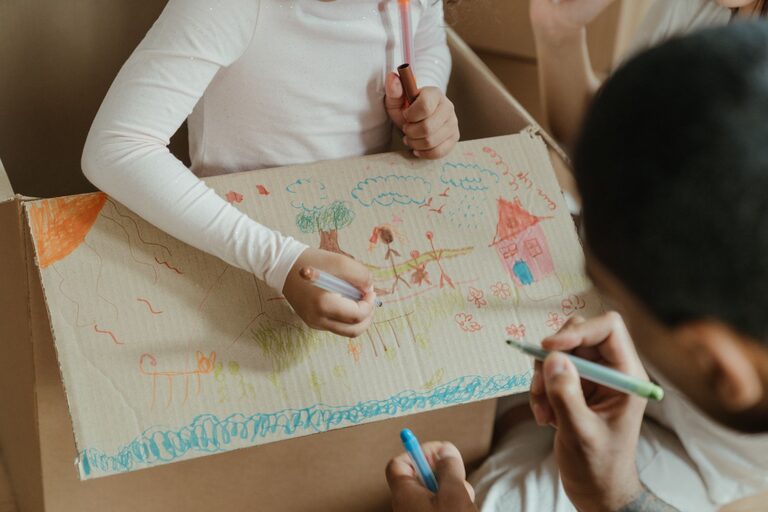
Children’s artwork is a wonderful expression of their creativity and imagination. From colorful paintings to playful drawings, these masterpieces often hold sentimental value for parents and caregivers. However, as the collection grows, it can quickly become overwhelming and cluttered. Organizing kids’ art in a way that is both manageable and enjoyable is key to preserving these memories and encouraging continued creativity.
In this post, we’ll explore practical tips and ideas to help you keep your children’s artwork organized, displayed, and treasured without creating chaos.
Why Organizing Kids' Art Matters
Before diving into organizing strategies, it’s helpful to understand the benefits:
– Preserves memories: Kids’ art captures moments in their development and interests.
– Encourages creativity: Displaying art shows children that their work is valued.
– Reduces clutter: Keeping art organized prevents piles of paper from taking over your home.
– Makes sharing easier: Organized art is simpler to share with family and friends.
Getting Started: Sorting and Selecting
The first step to organizing art is to sort through the collection.
1. Set Aside a Time for Review
Schedule regular times—monthly or quarterly—to go through new artwork. It helps keep things current and prevents buildup.
2. Sort Into Categories
You can organize artwork by:
– Date or school year
– Type of art (paintings, drawings, crafts)
– Child’s age
– Theme or subject (animals, holidays, family)
Sorting helps you prioritize what to keep and how to store it.
3. Decide What to Keep
Not every piece needs to be saved. Consider:
– Artwork with special meaning or milestones
– Pieces showcasing new skills or techniques
– Child’s personal favorites
Less meaningful pieces can be recycled or repurposed.
Storage Solutions for Kids' Art
Once sorted, it’s time to store the artwork safely.
1. Use Art Portfolios or Binders
Large, expandable art portfolios or three-ring binders with plastic sleeves provide easy protection and access.
– Label with child’s name and date range
– Choose acid-free materials to prevent fading
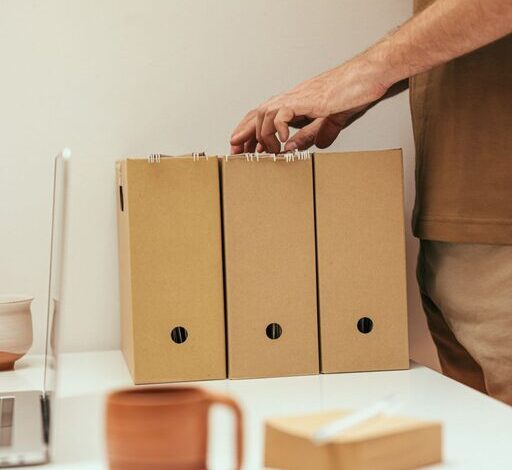
2. Storage Boxes
Flat, stackable boxes designed for artwork keep items organized and protected.
– Label boxes clearly
– Separate by year or child if you have multiple kids
3. Digital Storage
Photograph or scan artwork to save space and create digital galleries.
– Use apps or cloud storage to organize images
– Create digital photo books as gifts or keepsakes
Displaying Kids’ Art Creatively
Showcasing artwork celebrates your child’s efforts and livens up your home.
1. Rotating Gallery Wall
Dedicate a wall or bulletin board to display favorites, rotating them regularly.
– Use frames, clips, or wire with clothespins
– Let children help choose what is displayed
2. Art Collages or Posters
Turn smaller pieces into collages or arrange photos of art into posters.
– Use these in play areas or family rooms
– Create themed displays for holidays or seasons
3. Functional Displays
Incorporate artwork into everyday items:
– Customized calendars
– Greeting cards or gift wrap
– Magnets or placemats
Involve Your Kids in the Process
Encouraging children to help sort and display their art teaches organization skills and self-expression.
– Let them select favorites to keep or recycle
– Create a special “art assistant” role for choosing display pieces
– Turn organizing into a fun activity with rewards or storytelling
Tips for Long-Term Maintenance
Keeping kids’ art organized is an ongoing task. Consider these strategies for lasting success:
– Set limits: Keep a reasonable number of pieces to avoid overflow.
– Regular review: Periodically reassess stored art to update and declutter.
– Label everything: Dates, titles, and notes can help track progress over time.
– Create traditions: For example, an annual “art sorting day” can become a family event.
Conclusion
Organizing your kids’ artwork doesn’t have to be stressful. With simple sorting, smart storage solutions, and creative display ideas, you can cherish your child’s creativity while keeping your home tidy. Remember to involve your children in the process to make it enjoyable and meaningful. By treating their art with care and attention, you’ll create lasting memories that are easy to revisit for years to come.